
Con cariño, T.
Nos reímos entre lágrimas, la voz de Theodore era tan clara que parecía que estaba en la habitación.
La iniciativa de arquitectura pública se lanzó al año siguiente. Con el fideicomiso de Theodore y la financiación adicional de las ganancias de Hartfield, comenzamos a diseñar bibliotecas, centros comunitarios y espacios públicos en todo el país, cada uno incorporando diseño sostenible, artistas locales y la participación de la comunidad.
Emma dirigió el diseño de la Biblioteca Comunitaria de Filadelfia, su primer proyecto como arquitecta principal. En la inauguración, declaró a la prensa: «La arquitectura me salvó la vida, no solo como profesión, sino como prueba de que podía construir algo significativo. Sophia Hartfield me enseñó que los edificios son más que estructuras. Son promesas de que un futuro mejor es posible».
Después, me abrazó fuerte. «A Theodore le habría encantado esto», susurró.
—Lo sé —dije—. Porque eres la prueba de que tenía razón sobre el potencial.
Hartfield Architecture grew steadily—not chasing prestige, but pursuing projects aligned with our values. We designed schools in underserved communities, affordable housing that didn’t sacrifice beauty, public spaces that brought people together. We won awards, but more importantly, we changed lives.
Richard faded into obscurity. I heard through acquaintances that his business failed, his reputation destroyed by his own actions and the stories other women finally felt safe enough to share. I felt nothing—no satisfaction, no revenge, just complete indifference.
He’d become what he’d always been.
Irrelevant.
Five years after taking over Hartfield, I was invited to give the commencement address at my architecture school. I stood at the podium, looking at graduates who reminded me of who I’d been.
“When I graduated,” I told them, “I had a degree, a dream, and absolute certainty about my future. Within a week, I abandoned all of it for a man who needed me small. For ten years, I disappeared into a life that wasn’t mine.”
The room was silent.
“But here’s what I learned,” I said. “You can’t actually lose yourself. You can misplace yourself temporarily, but your essential self remains, waiting for you to remember. When I finally escaped that marriage, I had nothing—no money, no home, no confidence. But I had my education, my passion, and a great-uncle who believed I was worth waiting for.”
I looked at them—so many bright faces, so many untold futures.
“Some of you will take straightforward paths,” I said. “Others will detour through darkness first. Both journeys are valid. What matters is remembering this: you are architects. You see potential in empty spaces. You understand foundations must be strong before buildings can rise. Apply that same vision to your own lives. Build yourself carefully, honestly, courageously. And when life tries to tear you down—remember you’re trained to reconstruct from ruins.”
The applause was thunderous, but what mattered more were the students who approached afterward, sharing their own stories, thanking me for telling the truth.
If this story resonated with you, make sure to like and subscribe for more stories about transformation, resilience, and the power of refusing to stay small when the world tries to diminish you.
That evening, I returned to the estate where this chapter began. Jacob was in the studio working on sketches for a Detroit Children’s Museum. Margaret had dinner waiting. I climbed to the rooftop garden where Theodore imagined my homecoming.
The city stretched below—full of buildings designed by people with dreams and determination.
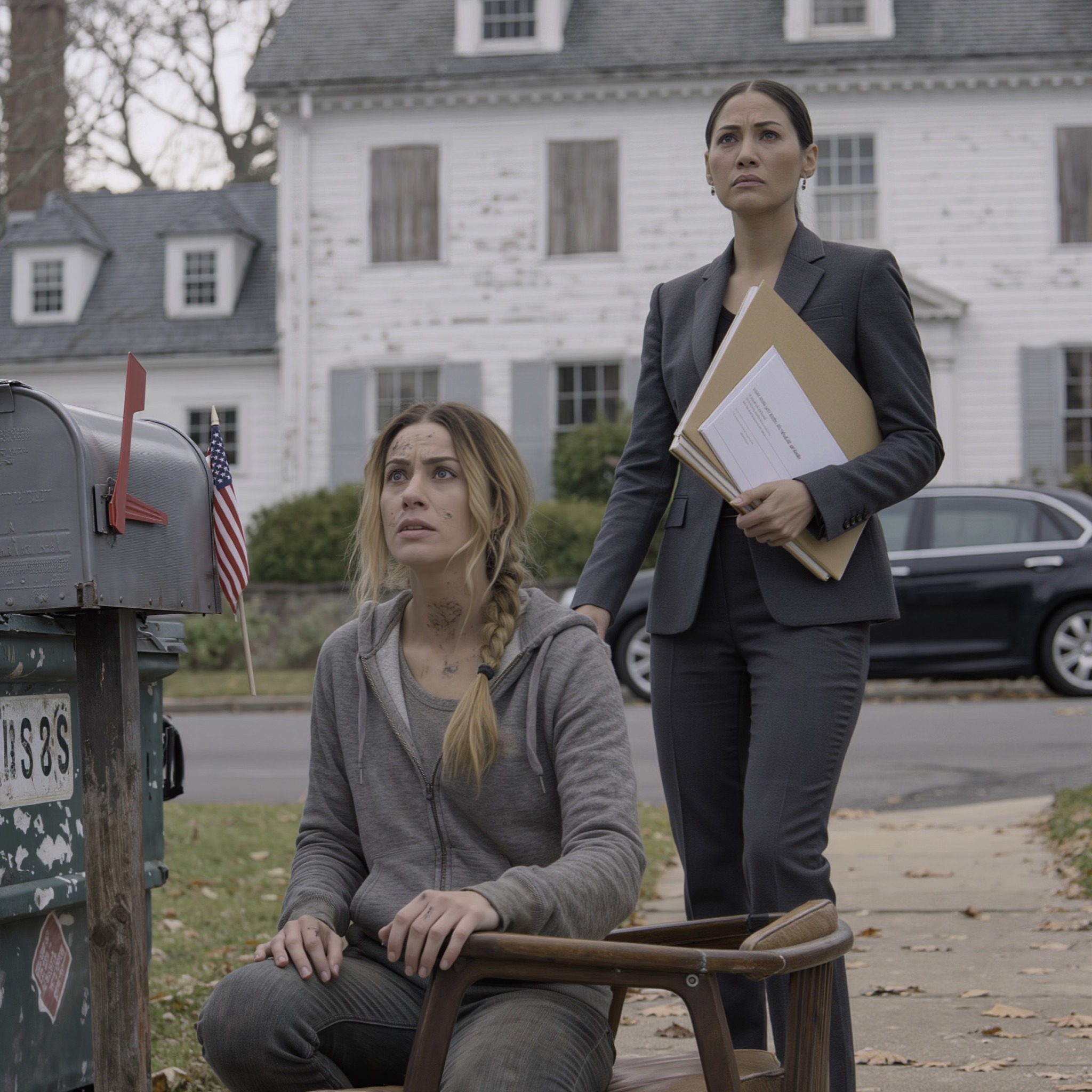
I thought about the woman who climbed out of that dumpster eighteen months ago, believing she’d lost everything. I wished I could tell her what was coming. But more than that, I wished I could tell her the most important thing.
She was already everything she needed to be.
She just needed time and space to remember it.
Mi teléfono vibró. Un mensaje de Emma: «Acabo de conseguir el encargo para el Centro Comunitario de San Francisco. Tu proyecto está cambiando el país. Gracias por creer en mí».
Sonreí y respondí: «Gracias por demostrar que Theodore tenía razón sobre el potencial. Algún día nos eclipsarás a todos».
Jacob me acompañó en la azotea. "¿En qué estás pensando?", me preguntó.
—Todo —dije—. Dónde estaba. Dónde estoy. Adónde vamos.
“¿Y a dónde vamos?”, preguntó sonriendo como si la respuesta importara porque la estábamos eligiendo juntos.
Me giré para mirarlo. "Donde sea que diseñemos la próxima vez", dije. "Juntos".