

My credit score: 581, tanked by utilization rates above 90% on all cards.
“Oh God,” I breathed. “I applied for an apartment last year. A better one. They rejected me for bad credit. I thought it was a mistake.”
James pointed to another line. “Mila, look at this inquiry. Auto loan application. Your name. Dealership in Beaverton. Denied for credit score.”
“I didn’t apply for a car loan.”
“Someone did. Using your information,” he said, meeting my eyes. “Your parents are driving a 2023 Lexus, right? I’ve seen it in the parking lot.”
The nausea hit in waves.
I pulled out my phone, texted Sienna.
We need to talk about Mom’s birthday dinner.
Three minutes passed. The typing indicator appeared, stopped, appeared again.
Finally: What about it?
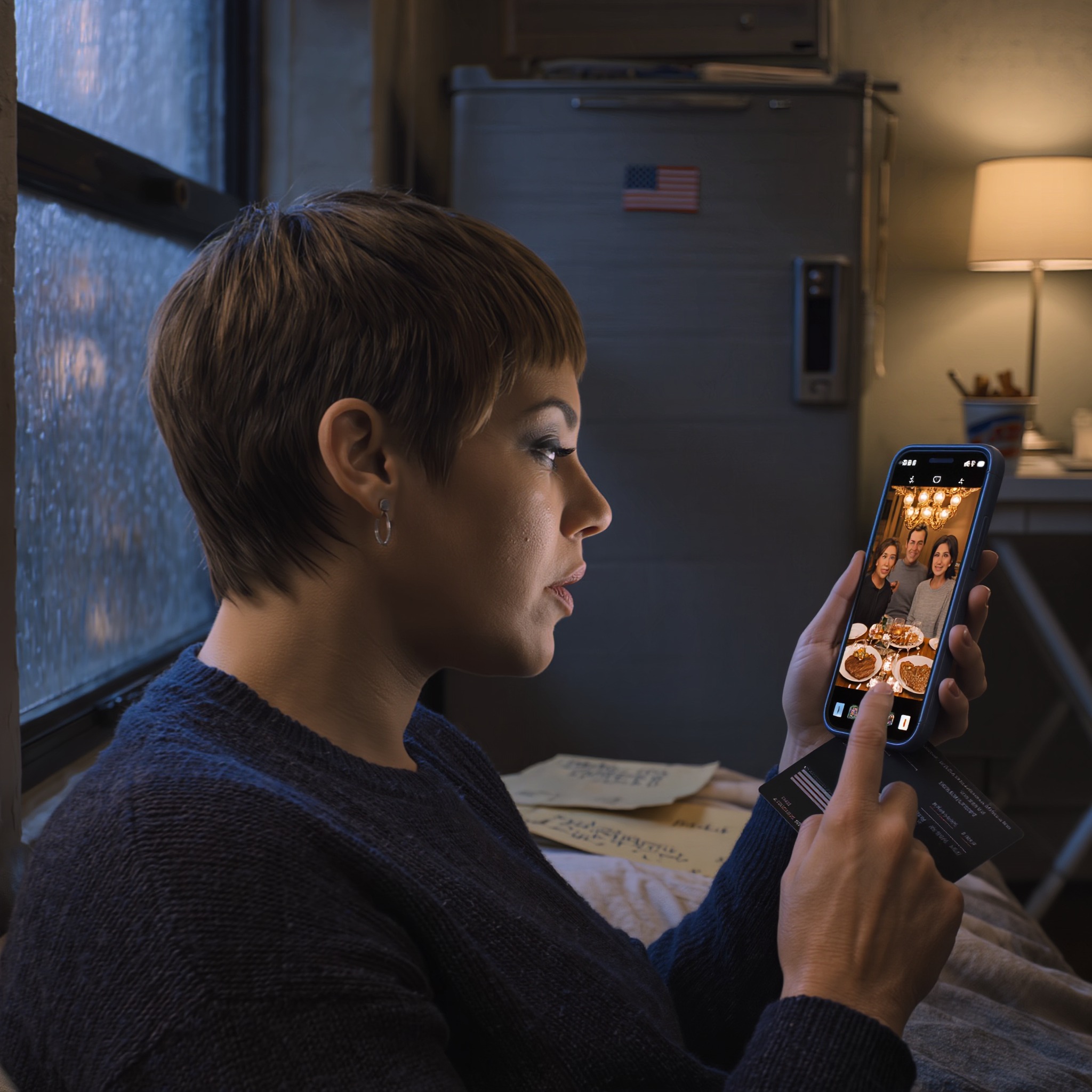
I sent the photo—zoomed in on the receipt, on my name.
The credit card in the photo had my name on it.
Typing. Stopping. More typing.
Call you tomorrow.
She knew. The way she hesitated. The way she avoided.
Saturday morning, I dialed before I could change my mind.
“Hi, honey.” Mom’s voice was bright.
Fake bright.
“How’s your weekend?”
“I need you to explain the credit cards in my name.”
Silence. Long enough that I checked if the call had dropped.
“What credit cards?”
“All four of them. And the loan. Four hundred thirty-seven thousand dollars,” I said. “Mom, I have the statements. Oriel. Your birthday. The card had my name on it.”
The silence stretched.
Then: “Oh. That. Yes, that.”
“Mila, we had to. We were desperate.” Her voice shifted, tears entering on cue. “Your father lost his job years ago. I had medical bills. We were going to lose everything. You have a good income. We thought you wouldn’t mind helping family.”
“I was helping,” I said, my voice shaking now. “Three thousand every single month.”
“That covered basics,” she snapped, and then caught herself. “This was for necessities.”
“Necessities?” I said. “A $500-per-plate restaurant?”
“We needed to maintain appearances,” she said, like that explained it. “For Sienna’s sake. For her wedding.”
I heard it—the justification, the entitlement, the complete lack of remorse.
“So you stole my identity.”
“Don’t you dare use that language with me.” Anger came through, sharp and righteous. “We’re your parents. You owe us. We raised you, fed you, paid for your education—”
“I had a full scholarship.”
“And this is how you repay us,” she said, voice rising, “accusing us of crimes. You’re being dramatic.”
Dad’s voice in the background. “Linda—”
“Did Sienna know?” I cut in. “Did Sienna know?”
A pause, the kind that tells the truth before the words do.
“She… she might have,” Mom said, too fast. “We needed her to use the card sometimes when we—”
I hung up.
I sat on my futon and stared at the wall. Three hours passed. My phone buzzed with Mom. Dad. Sienna.
I ignored them all.
Finally, I called James.
“I need help,” I said. “Professional help. Can you—”
“I’ll be there in twenty minutes,” he said. “Bring everything.”
I want to pause here for a moment. I know some of you watching this have dealt with financial manipulation from family—maybe you felt that same guilt, that voice saying, “But they’re family. You should just let it go.”
The guilt is real. The confusion is real.
If you’ve ever felt torn between protecting yourself and being the good daughter or good son, drop a comment. Your stories matter. And if this resonates with you, hit that subscribe button.
We’re in this together.
Now, back to what happened next.
James showed up with his laptop and a legal pad. We spread everything across my tiny kitchen table, which was really a folding card table from Target.
“Walk me through the timeline,” he said, pen ready.
I did. Every phone call. Every emergency. Every transfer. The discovery. The confrontation.
He took notes. Didn’t interrupt.
When I finished, he looked up. “Mila, this isn’t family drama. This is felony fraud.”
The words felt too big, too serious.
“They’re my parents,” I whispered.
“Your parents stole almost three-quarters of a million dollars from you,” he said. He opened his laptop, started a spreadsheet. “Let’s document everything.”
For three hours, we built an evidence file.
Column one: date of my transfer to them. Column two: amount. Column three: their emergency claim. Column four: fraudulent charges made within one week of my transfer. Column five: evidence.
The pattern was undeniable. Every time I sent money, charges appeared—restaurants, shopping, travel—like clockwork.
James highlighted the minimum payment amounts.
“See this? They’re using your $3,000 to cover minimums on your fraudulent debt. It’s circular. It’s self-funding.”
“That’s—” I couldn’t finish.
“Sophisticated,” he said. “Calculated. Premeditated.”
He looked at me. “This wasn’t desperation. This was a system.”
“What about Sienna?” I asked.
He pulled up another tab. Card ending in 4472. He filtered. Forty-seven transactions made in person with the physical card. Stores Sienna had mentioned on social media. Sephora. Anthropologie. That resort in Maui she posted about.
“She spent $38,000 on your card,” he said quietly. “And every time she swiped, she saw your name.”
The betrayal went deeper than money. My whole family conspiring, using me.
“You need to file a police report,” James said gently.
“They’re my family.”
“They destroyed your credit, your future, your life,” he said. Then he paused. “What would you tell a client in this situation?”
I met his eyes and knew the answer.
File charges immediately.
The next two weeks, I became someone I didn’t recognize—cold, methodical, thorough. I requested full credit reports from all three bureaus. Documented every fraudulent account, every forged approval, every unauthorized inquiry. I called each credit card company.
“I did not authorize this account,” I said over and over. “I’m filing fraud claims.”
I started investigations. Froze new activity.
I combed through my email, found text messages I’d saved—every single request for money, every guilt trip, every emergency.
Mom called Tuesday.
“Honey, we have an emergency. Dad needs dental work. Four thousand dollars.”
I put her on speaker. Hit record.
“Mom,” I said, steady, “about those credit cards in my name…”
“Oh, sweetie, don’t worry about those,” she said lightly. “We’re handling it.”
“By handling it, you mean using my money to pay minimums on debt created in my name?”
A nervous laugh. “It’s not fraud when it’s family, Mila. Don’t be dramatic.”
There it was. An admission, clean and clear.
I compiled forty pages: timeline, bank transfers, credit statements, photos comparing the forged handwriting to my real one, recorded phone call, Sienna’s posts geotagged at places charged to my cards, cross-referenced dates, amounts, patterns.
James reviewed everything.
“This is airtight,” he said. “Any DA would take this case.”
I stared at the document. Forty pages that would destroy my family—or forty pages that would save my life.
“I need one more thing,” I said.
“What?”
“Thanksgiving is in three weeks,” I said. “They’re hosting fifty-plus people.”
James’s eyes widened. “You’re going to—”
“They’ve humiliated me privately for years,” I said. “Called me selfish, ungrateful, difficult.” I met his gaze. “It’s time everyone knew the truth.”
I printed two copies—one for police, one for Thanksgiving.
The envelope was white, plain, official-looking.
Perfect.
I texted Sienna.
Coffee tomorrow? We need to talk.
Tuesday, Starbucks. She arrived twenty minutes late carrying a Gucci bag. $2,400 retail. I’d looked it up once for a client’s anniversary gift I couldn’t afford.
“So,” she said, not quite meeting my eyes. “What’s up?”
“When did you find out about the cards?” I asked.
She stirred her latte. A $12 latte. I had drip coffee. $2.
“What do you mean, Sienna?” she said, too casual.
“I have your charge history,” I said. “Forty-seven transactions. When did you know they were in my name?”
Long pause.
“Mom told me like three years ago,” she said finally. “Maybe four.”
“And you didn’t think to tell me? Why?”
She shrugged. “You were already sending them money. What difference did it make?”