
I stared at her. Actually stared.
“I’m in $400,000 of debt.”
“Look, you make good money,” she said, waving it away. “You don’t have kids, no husband. What else were you spending it on? At least this way the family benefits.”
The casualness. The complete absence of guilt.
“I live in a studio apartment,” I said. “I eat ramen. I work two jobs.”
“That’s your choice,” she said. “Mom said they’d pay it off eventually.”
“With what money, Sienna?”
She looked uncomfortable, just for a second. “I don’t know. That’s between you and them.”
“You spent $38,000 on my card.”
“Mom said it was fine,” she snapped. “She said you wouldn’t mind. I didn’t do anything wrong.”
“Did you ever think to ask me?”
“You’re always so uptight about money,” she said, voice rising. “Mom said not to bother you.”
Something broke inside me—clean, final.
“You know what?” she said, standing up, grabbing her purse. “This is exactly why you don’t have friends. You’re so difficult, so rigid. Maybe if you learned to be generous like Mom and Dad taught us, you wouldn’t be so alone.”
She left.
I sat there for an hour, watching people come and go—normal people with normal problems.
Then I called Detective Morrison.
“I’m ready,” I said. “I want to file a report.”
Financial Crimes Unit, Friday morning. The building smelled like burnt coffee and institutional cleaning products. Detective Sarah Morrison was 44, gray streaking her dark hair, eyes that had seen too much.
She gestured to the chair across from her desk.
“Mr. James Chen spoke highly of you,” she said, opening my case file. “Let’s see what we have.”
I handed her the folder. She flipped through page one, two, ten, twenty.
“This is thorough,” she said, looking up. “You do this professionally.”
“Financial analyst,” I said.
“Well, you’d make a good investigator.” She kept reading. “Identity theft, wire fraud, credit card fraud across multiple accounts. Your parents forged your authorization on applications.”
I showed her the comparison documents—my real handwriting versus the forged ones.
“And your sister used the cards knowingly,” I said. “Forty-seven times. Thirty-eight thousand dollars. She admitted she knew whose name was on them.”
Morrison leaned back. “Usually in family fraud cases, victims don’t want to press charges. Are you sure?”
“I’m sure.”
“This becomes public record,” she said carefully. “There will be arraignment, court dates. Your family will face felony charges. Multiple counts.”
“I understand.”
“Your parents could see three to five years in prison if convicted,” she said. “Plus full restitution.”
She studied me. “This will change everything.”
“They already changed everything,” I said. “They destroyed my credit, my savings, eight years of my life. I’m just making it official.”
She nodded, respect in her eyes. “All right. I’ll start the warrant process. This level of fraud—the DA will prosecute. Probably looking at three to five years if convicted, plus restitution order for the full amount.”
“What’s the timeline?”
“Investigation takes a few weeks. Warrant maybe a month.” She paused. “Why?”
“Thanksgiving is in twelve days,” I said. “They’re hosting fifty people.”
Understanding dawned on her face. “And you want copies of the report. Official documents. Case number.”
She actually smiled—small, grim. “You’re going to tell them. Everyone’s going to know.”
Morrison printed the documents and sealed them in an envelope.
White. Official. Final.
“Here,” she said. “Case number 2024 FC 8847. Charges against Linda Marie Parker, Richard James Parker, and Sienna Nicole Parker.”
I took the envelope, felt its weight.
“Most people in your situation want to hide this,” Morrison said.
“They hid it for eight years,” I said. “I’m done hiding.”
Tuesday before Thanksgiving, my phone buzzed.
Mom: Mila, you’re still coming Thursday, right? 2 p.m. Bring dessert if you can. Aunt Carol will be there. Uncle Mike. Everyone.
Translation: Behave. Don’t embarrass us. Keep up appearances.
I typed, deleted, typed again.
I’ll be there. I’ll bring something special.
Mom: Wonderful. Wear something nice. We’re taking a family photo this year.
Family photo.
The audacity made me laugh—a dark, bitter sound.
James found me at my desk Wednesday.
“You really doing this?”
“They’ve spent eight years making me feel small,” I said. “Selfish. Ungrateful.” I looked up. “It’s time everyone sees who I really am.”
“And who’s that?”
“Someone who keeps receipts.”
The plan solidified in my mind—crystal clear, undeniable.
Arrive on time. Be polite. Blend in. Wait until after dinner during dessert, when everyone was gathered and comfortable. Wait until Mom inevitably made some comment about my lack of contribution or Sienna’s wedding costs.
Then I’d stand up, pull out the envelope, and let truth unfold in front of everyone who’d ever heard their lies about me.
I went shopping, bought one outfit—the first new clothes in two years. Nothing expensive. $40 at Target. But clean, professional, put together.
I printed a second set of documents, highlighted key sections—case number, charges, evidence summary.
Wednesday night, I couldn’t sleep. Rehearsed in my mind: stay calm, stay professional, facts only, no emotion.
That’s how you win.
At 3:00 a.m., I got up, made coffee, reviewed everything one more time.
Last Thanksgiving flashed back. Mom had announced to the whole table, “Mila couldn’t contribute to dinner costs this year. Times are tough for her.” I had offered. She’d said no need—then publicly humiliated me.
This Thanksgiving would be different.
I packed the envelope in my purse, put the backup folder in my car.
Thursday morning, I looked in the mirror.
Same face. Different person.
“Let’s go,” I told my reflection.
At 2:00, I parked outside their house. Four-bedroom colonial, well-maintained, fresh paint, landscaped yard—the house they told me they were losing for eight straight years.
Deep breath. Envelope and purse. Backup documents in the trunk.
Inside, chaos. Fifty-plus people—cousins I hadn’t seen in years, aunts, uncles, extended family from three states. Noise, warmth, the smell of turkey and wine and pumpkin pie.
“Mila’s here!” Mom’s voice carried across the room—performative, loud. “My daughter, the financial analyst.”
Subtext clear: She makes good money. Look at her success. Not like us poor, struggling folks.
Hugs. Greetings.
Aunt Carol squeezed my hand. “How are you, honey?”
“Good,” I said. “Really good, actually.”
Sienna appeared at my elbow, whispering, hostile. “You better not start anything.”
I smiled. “Wouldn’t dream of it.”
Dad approached, eyes nervous. “Mila. Good to see you. Can we talk later?”
“Later sounds perfect,” I said.
The dining room was magazine perfect—long table, china plates, crystal glasses, centerpiece that probably cost $200.
I observed everything. Made mental notes.
Mom’s jewelry. Diamond earrings—new, sparkling under chandelier light. Sienna’s engagement ring catching light with every gesture. Dad’s watch.
Rolex Submariner. Twelve thousand retail minimum.
Wine bottles lining the sideboard. Labels I recognized—$80 and up. Fresh flower arrangements. Multiple, professional.
Uncle Mike, retired attorney, loud and jovial. “Richard, Linda, you two really outdid yourselves. This spread must have cost a fortune.”
Dad gave a modest laugh. “We do what we can. Family’s worth it.”
I sipped water and counted to ten, then twenty.
Dinner felt endless—turkey, ham, seven side dishes, people laughing, talking, normal Thanksgiving.
Except nothing was normal.
I barely ate.
I watched.
I waited.
Dessert was being served. Pumpkin pie, apple crisp, coffee brewing.
It was almost time.
Mom stood and tapped her wine glass with a spoon. Crystal chimed. The room quieted.
“Before we finish,” she said, smiling that practiced smile, “I want to say something. I’m so grateful we could all be together. Family is everything.”
She looked directly at me, deliberate.
“We’ve been through tough times, but we support each other. Some of us give more than others. Some understand what sacrifice means.”
Another look.
“Your father and I have always taught our girls to be generous, to put family first.”
Sienna smirked into her coffee cup.
“Unfortunately,” Mom said, voice sharpening, “not everyone learned that lesson.”
Then she turned the knife.
“Mila, honey,” she said sweetly, “we needed to talk about helping with Sienna’s wedding costs. We’re stretched thin—”
And I stood up.
The room froze. Fifty sets of eyes turned toward me.
“Actually, Mom,” I said calmly, “I think we should talk about finances right here, right now.”
Mom’s face went pale. “Mila, this isn’t the time—”
“No,” I said, voice level. “I think it’s exactly the time.”
I pulled out the envelope.
Dad hissed, “Mila, sit down.”
I ignored him and addressed the room.
“I’ve sent my parents $3,000 every single month for eight years,” I said. “That’s $288,000 total—because they told me they were struggling, about to lose the house, couldn’t pay bills.”
Relatives shifted, uncomfortable, confused.
“We were struggling,” Mom started.
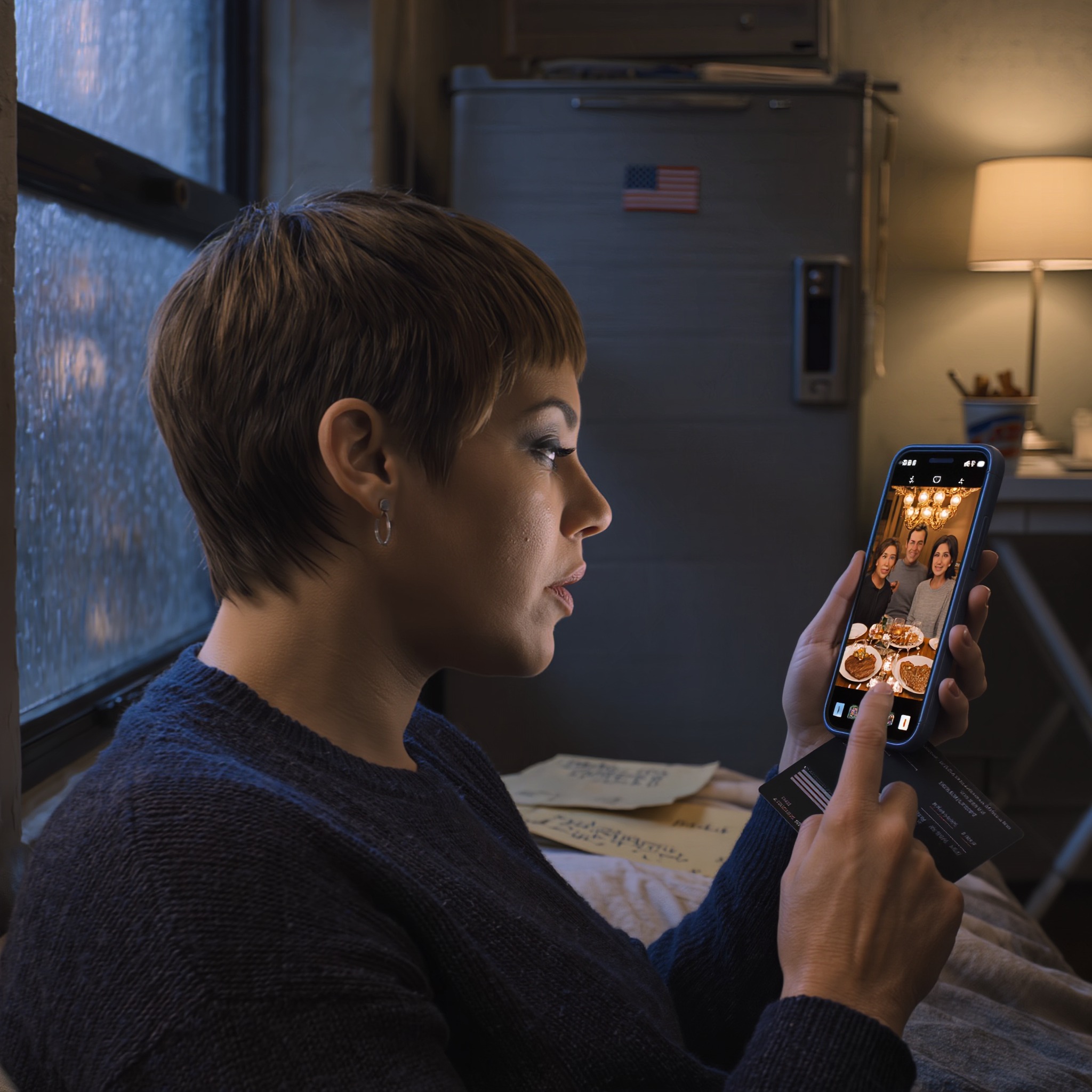
“You had a birthday dinner at Oriel two weeks ago,” I said. “Five hundred dollars per plate.” I held up my phone and showed the photo. “Do you know how I know?”
Silence.
“Because my sister accidentally sent me this photo,” I said. “And in the background there’s a receipt with a credit card. Want to guess whose name was on that card?”
I let the question hang.
“Mine,” I said. “A card I never opened. Never authorized. Never even knew existed.”
Gasps rippled through the room.
Mom’s face was white. “Mila, you’re taking this out of—”
“Everyone here thinks I’m the selfish one,” I said, and my voice stayed steady. “The ungrateful daughter who doesn’t help her family. Today, you’re all going to learn what really happened.”
Okay, I need to pause again. Before I tell you what happened next, I want to know what you think. Do you think I was right to do this publicly, or should I have kept it private? Drop a comment: public if you think family fraud should be exposed, or private if I should have handled it quietly. I genuinely want to know your thoughts. And if you haven’t subscribed yet, this is about to get intense. You don’t want to miss what comes next.
All right, let me continue.
I held my phone up, turned it so the whole table could see. Mom’s birthday at Oriel. I zoomed in on the receipt area.
“See this?” I said, and I passed my phone to Aunt Carol. She squinted, then passed it to Uncle Mike. It made its way around the table—relatives leaning in, zooming, gasping.
“The credit card name,” I said. “What does it say?”
Uncle Mike looked up. “It says Mila Parker.”
“Correct.” I paused. “My name. My card. That I never opened, never authorized, never used.”
The room erupted in murmurs.
“Mila, you’re taking this out of context,” Mom said, voice cracking.
“Am I?” I said. “Let me give you context.”
I pulled printed credit card statements from the envelope and held them up. “Four credit cards in my name. Total balance: $437,000.”
I walked around the table and placed statements in front of relatives.
“Opened between seven and four years ago,” I said. “Restaurants. Shopping. Travel.”
Aunt Carol picked one up. Her eyes widened. Cousin David scanned a list.
“Ruth’s Chris,” he read. “Tiffany. Delta Airlines First Class. Nordstrom. Williams-Sonoma.”
“All while telling me you couldn’t afford the mortgage,” I said, pointing at Dad. “Dad, didn’t you tell me you lost your job five years ago?”