

Dad said nothing. He stared at his plate.
“I pulled employment records,” I said, and the room went still again. “You didn’t lose your job. You retired voluntarily with a full pension.”
Uncle Mike’s head snapped toward Dad. “You have a pension. Richard?”
Aunt Carol’s voice shook. “Linda, you told me last year you couldn’t afford Christmas gifts.”
Mom’s hands trembled. “We—we can explain—”
“Please do,” I said, still calm. “Explain to everyone how you’ve been living off my identity for eight years.”
Cousin Jenny spoke up, voice small. “Mila, wait. Don’t you live in that tiny studio? The one I visited? You didn’t even have air conditioning.”
“Three hundred square feet,” I said. “Eight hundred a month. That’s all I could afford.”
“But why?” she asked, confused. “You make good money.”
I let the question sit. Let everyone process.
“Because,” I said slowly, “I was funding them.”
I pulled out the spreadsheet—forty pages condensed into irrefutable truth.
“Three thousand a month. Ninety-six months. Total: $288,000,” I said, placing it on the table. Bank statements clipped behind every transfer, highlighted. “Plus fraudulent credit cards: $437,000.”
I looked around the room.
“Combined total: $725,000.”
Uncle Mike’s coffee cup clattered. “Seven hundred thousand…”
“While I lived on ramen,” I said. “Worked two side jobs. Turned down promotions because I couldn’t relocate. Because my family needed me.”
“Had $347 in savings on my 32nd birthday.”
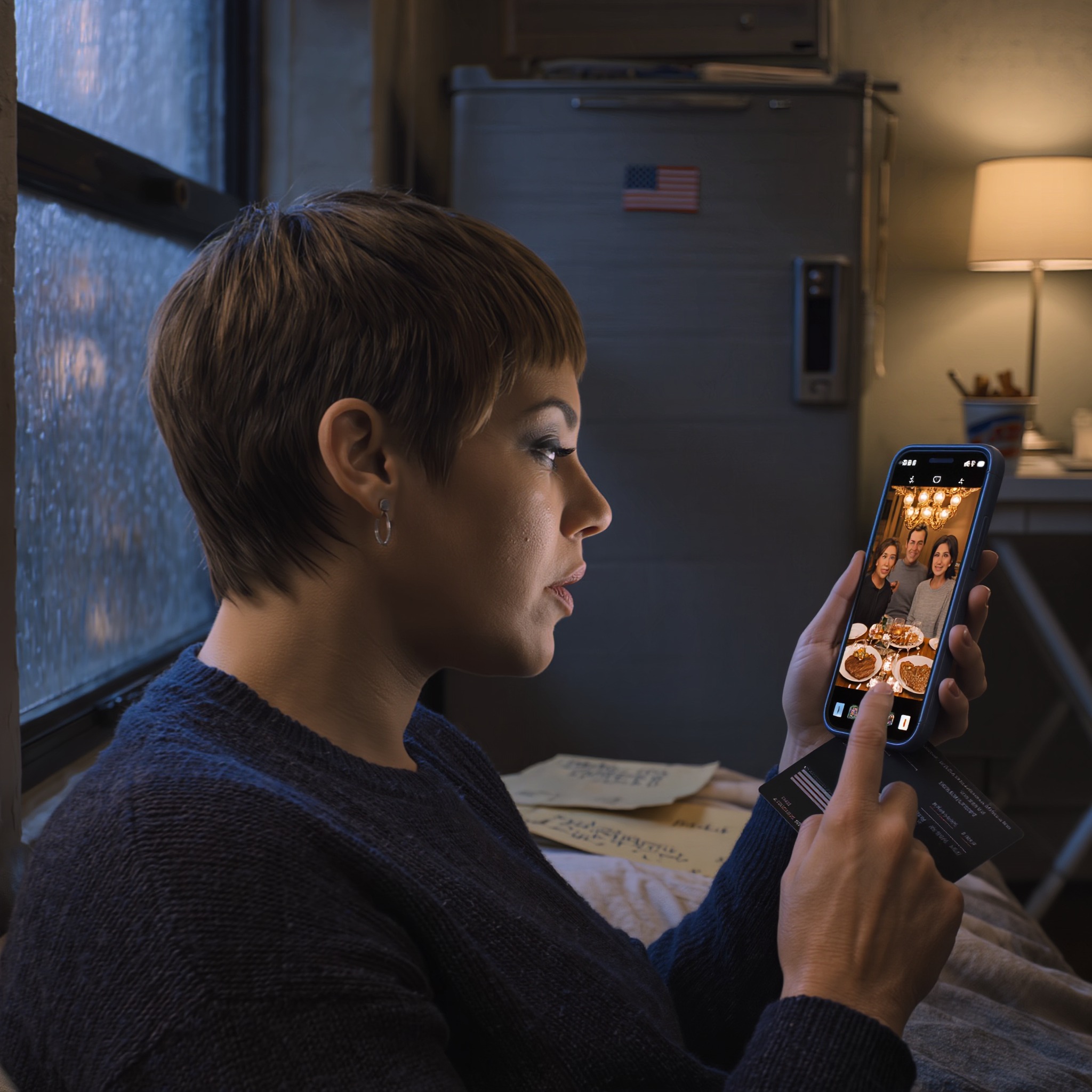
I opened my phone and showed the photo of my studio, passed it around again, watched faces change—shock, disbelief, anger.
“Meanwhile,” I said, “I pulled photos from Mom’s Facebook before she deleted it. Their house. Four bedrooms. Kitchen renovation last year—$60,000.”
Aunt Carol turned sharply toward Linda. “You remodeled your kitchen?”
“And the minimum payments on these cards,” I said, retrieving the spreadsheet again, “were paid from my monthly transfers. They used my money to cover the minimums on debt they created in my name.”
Aunt Carol’s mouth opened. She couldn’t finish.
“Illegal,” Uncle Mike said quietly.
“It’s called identity theft,” I said. “Wire fraud. Credit card fraud.”
I pulled out the recorded phone call transcript.
“This is from two weeks ago,” I said. “Mom admitting it.”
I read aloud: “It’s not fraud when it’s family.”
The transcript passed around. Relatives reading, rereading.
Sienna stood suddenly. “Okay, everyone needs to calm down—”
I turned to her. “Forty-seven transactions. Thirty-eight thousand dollars. You knew they were my cards.”
“I didn’t know the full—”
“You swiped cards with my name on them forty-seven times,” I said. “You knew.”
Her face went red, then white.
“You all want to know why I don’t contribute more?” I asked the table. “Because I’ve already contributed $725,000 to criminals.”
The word landed like a bomb.
Criminals.
Not parents. Not family.
Criminals.
I held up the white envelope again—the one they’d been watching, wondering about.
“Last week,” I said, “I went to the police financial crimes unit.”
Complete silence. Even the kids stopped talking.
“I filed a formal report. This envelope contains copies of case number 2024 FC 8847.”
I opened it and removed the documents. The official seal was visible.
“Official charges against Linda Marie Parker, Richard James Parker, and Sienna Nicole Parker.”
Mom’s sob cut through the silence. “You called the police on your own parents.”
I met her eyes. Steady. Calm.
“You committed felonies against your own daughter.”
“Mila, please,” Dad said, standing, desperate. “We can work this out.”
“I tried to work it out,” I said. “You called me selfish, ungrateful, difficult.”
I handed the top document to Uncle Mike.
“Count one: identity theft. Count two: wire fraud. Count three: credit card fraud. Count four: forgery.”
Uncle Mike scanned it. His face went pale. “These are real,” he whispered. “Official seal. Detective’s signature.”
“Warrants are being processed,” I said, still level. “Arraignment likely within thirty days. Detective Morrison estimates three to five years prison time if convicted, plus full restitution of $725,000.”
The room erupted—questions, accusations, shock, relatives talking over each other.
Sienna screamed, “You’re sending Mom and Dad to prison!”
“No,” I said. “They sent themselves to prison when they stole my identity.”
I turned to her. “You’re facing charges, too. Accessory to fraud.”
“I didn’t do anything!” she shouted.
I held up her charge history. “Gucci bag: $2,400. Resort vacation: $8,700. Spa weekend: $3,200. All on my card. Your purchases. You’re complicit.”
“This is insane,” she snapped, grabbing her purse.
Uncle Mike blocked the door. “You’re facing criminal charges, Sienna. Leaving won’t help.”
I looked at my parents—really looked at them.
“You wanted to maintain appearances in front of family,” I said. “Congratulations. Now everyone knows exactly who you are.”
The room exploded.
Aunt Carol to Linda: “I lent you $5,000 last year! You said it was a medical emergency!”
Uncle Mike to Richard: “You asked me to co-sign a loan. Thank God I didn’t.”
Cousin David: “We helped you move. You paid movers three thousand—was that Mila’s card too?”
Mom sobbed loudly, performatively. “This is all a misunderstanding—”
“There’s no misunderstanding,” Uncle Mike said, holding up the police report. “This is official. Case number. Court dates pending.”
People started gathering their things—coats, purses, kids.
Some stopped to hug me. “I’m so sorry. We had no idea.” “You’re incredibly brave.”
Others left silently, not sure whose side to take, not wanting to be involved.
Aunt Carol grabbed my hands. “Honey, why didn’t you tell us?”
“I thought I was helping family,” I said. “I didn’t realize I was funding criminals.”
She hugged me hard. “You’re still our family.”
“They’re not,” I said quietly.
Cousin Jenny was crying. “Mila, you gave up everything for them.”
“And they gave me debt and humiliation,” I said.
Within twenty minutes, half the house was empty. Mom stood in the center of the chaos, mascara running.
“Everyone’s leaving,” she cried. “You ruined Thanksgiving. You ruined this family.”
I collected my documents and slid them back into the envelope.
“No, Mom,” I said. “You did that eight years ago when you forged my name.”
Dad approached, voice pleading. “Mila, if you drop the charges, we’ll pay you back. Monthly payments. We’ll figure it out.”
“You had eight years to figure it out,” I said. “You chose fraud instead.”
I walked to the door and turned back one final time, looking at my parents, my sister, the wreckage of their lies.
“Detective Morrison will be in touch,” I said. “Get a lawyer. A real one. Not family.”
I left. Got in my car. Sat in the driver’s seat.
And I felt something I hadn’t felt in eight years.
Light.
Monday after Thanksgiving, my phone rang.
“Detective Morrison,” I said.
Her voice sounded almost amused. “Heard Thanksgiving got interesting. Word travels fast. Your Aunt Carol called this morning. She’s filing her own report. Loan fraud. Five thousand never repaid.”
Paper shuffled in the background. “Uncle Mike sent documentation on the co-sign request. We’re building a stronger case.”
“What happens next?” I asked.
“Grand jury indictment likely this week. Arraignment scheduled December 12th. Your parents will need counsel.” She paused. “They called you forty-seven times this weekend.”
“I didn’t answer.”
“Don’t,” she said. “Any communication goes through attorneys now. You’ve hired one.”
“Meeting her tomorrow,” I said. “Civil attorney for restitution. Separate from criminal.”
“Smart move,” Morrison said. “I should tell you the bank froze the accounts associated with the fraudulent cards. They can’t make new charges.”
“How are they reacting?” I asked.
“Your father tried to withdraw fifty thousand from savings yesterday,” she said. “Flagged for investigation. Both accounts frozen pending review.”
A small, dark satisfaction flickered in me.
“And Sienna?” I asked.
“She hired an attorney,” Morrison said dryly. “Trying to claim she didn’t know the cards were fraudulent. Charge history proves otherwise.”
“What’s the realistic outcome?” I asked.
“Your parents? Three to five years if convicted, plus restitution,” she said. “Sienna: eighteen months to two years, plus her portion of restitution. But judges really hate family fraud. Could be harsher.”
“Will they lose Dad’s pension with criminal conviction?” I asked.
“Automatic termination,” she said. “Fraud clauses are standard.”
My chest tightened—not guilt, just the finality of it.
“This becomes public record,” Morrison continued. “Employment, credit, housing. It follows them forever.”
“Good,” I said.
She went quiet a moment. “Most people don’t mean that.”
“Most people didn’t lose eight years and seven hundred thousand dollars,” I said.
Another pause.
“You did the right thing, Mila,” she said finally. “Hard thing, but right.”
“Doesn’t feel good yet.”
“It will,” she said. “Eventually.”
After we hung up, I sat at my desk and stared at spreadsheets that usually made sense.
James appeared with coffee. “You okay?”
“Ask me in a year,” I said.
Sharon Kim’s office was downtown—glass, steel, the kind of place that charges by the quarter hour. She was fifty-something, sharp suit, sharper eyes. I slid my documents across her desk.
After reading, she nodded. “This is meticulous work. Financial analyst shows.”
She made notes. “Criminal case proceeds separately. We file civil suit for full restitution—$725,000—plus emotional distress, legal fees, credit repair costs. Total ask: $850,000.”
“They don’t have it,” I said.
“We’ll put a lien on the house, garnish the pension, seize assets,” she said. “Bank accounts are already frozen. We redirect those funds to repayment. Takes years, but you’ll recover most.”
She walked me through paperwork—lien on their house, four-bedroom colonial valued at $680,000, mortgage paid off, ironically, with my money.
“They might try to settle,” she said. “Avoid trial.”
“I’m not settling,” I said.
She looked up. “Approved. Good.”
“They don’t deserve mercy,” I said.
“And your sister?” she asked. “Include her?”
“Joint and several liability,” Sharon said. “She’ll claim she didn’t understand the extent.”
“She used cards with my name forty-seven times,” I said. “She understood.”
Two hours of documents, signatures, notarizations. My hand cramped.
“They’ll be served tomorrow officially,” Sharon said.
“How will they react?” I asked.
“Usually anger,” she said. “Then bargaining. Then panic.”