

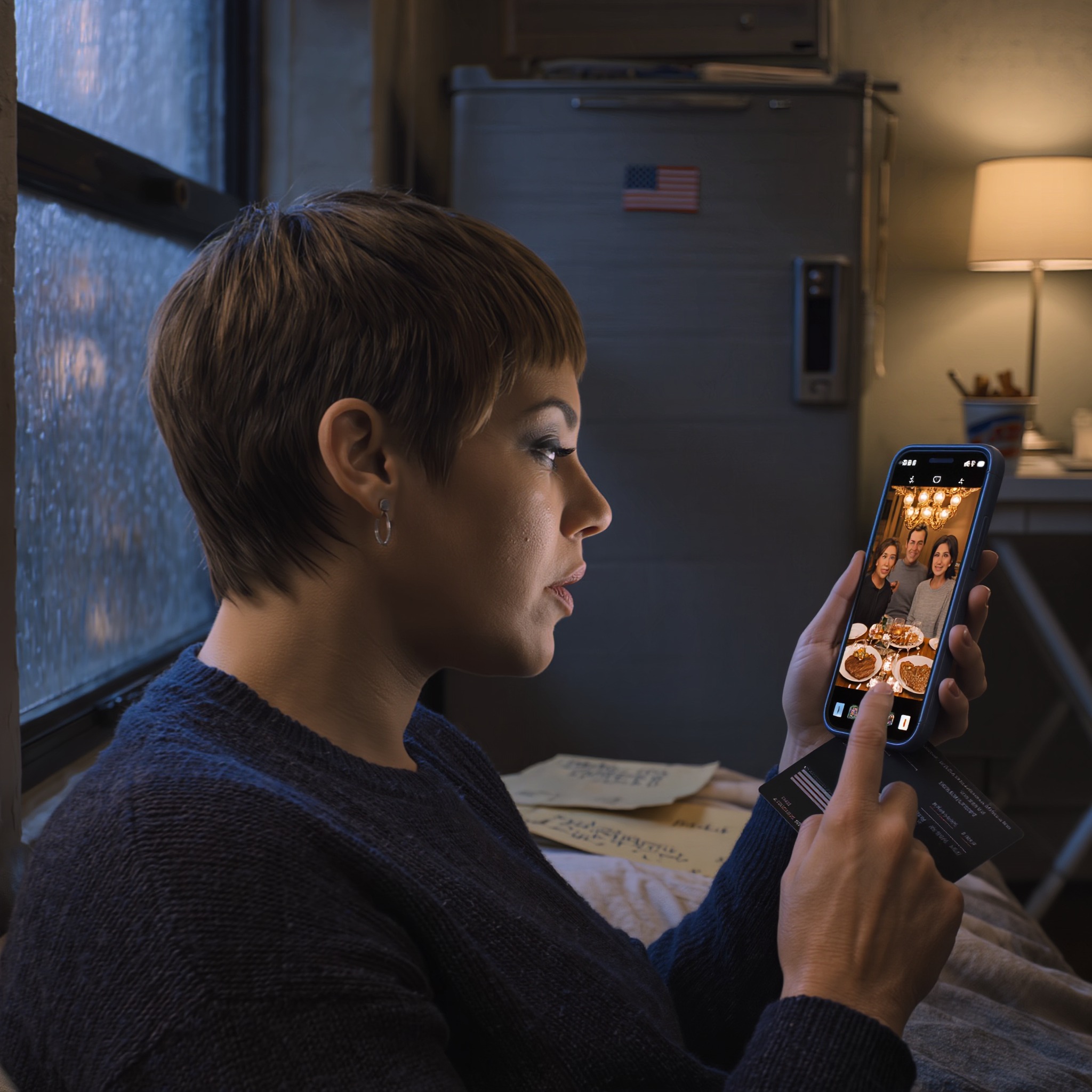
I thought about it like breathing for the first time in eight years.
February, eight weeks before trial, the DA’s office called.
“We have a plea deal offer.”
I put them on speaker. Sharon listened in.
Terms: my parents plead guilty to reduced charges. Eighteen months prison instead of three to five years. Full restitution of $725,000 over fifteen years. Ten years probation after release. Sienna: six months jail, five years probation, restitution of her $38,000.
“It’s a good deal,” the DA said. “Guarantees conviction and restitution. Trial is always a risk.”
“What risk?” My jaw tightened.
“Juries can be unpredictable with family cases,” he said. “Sympathy factor. They must have been desperate.”
“They weren’t desperate,” I said. “They were greedy.”
“I know,” he said, “but juries… family cases are complicated. This guarantees accountability.”
After he hung up, I stared at Sharon.
“Eighteen months is light,” I said.
“It is,” she said. “But it guarantees conviction. Guaranteed restitution. No risk of acquittal. And it’s public record forever.”
“Do they lose the pension with a guilty plea?” I asked.
“Yes,” Sharon said. “Automatic termination. Fraud conviction. Felony records—permanent. Employment, housing, credit—all affected forever.”
I sat with it. Thought about trial. Watching them squirm on the stand. Cathartic, but risky.
The plea deal ensured consequences—certain, unavoidable.
“I want one condition,” I said.
“What?” Sharon asked.
“They have to state exactly what they did on the record,” I said. “In court. In front of people.”
Sharon nodded. “That’s standard. Plea allocution. They have to admit guilt publicly.”
“Then I’ll accept,” I said.
She called the DA back. “My client accepts with standard allocution requirement.”
Done. Hearings in two weeks.
I wasn’t getting revenge. I was getting justice. There’s a difference.
February 28th, the courtroom was packed. Public record hearings draw crowds—local news, family members, people who’d heard the story.
Judge Smith sat high and still.
“We’re here for plea allocution,” she said.
“Mrs. Parker, do you understand you’re pleading guilty?”
Mom’s voice was flat, defeated. “Yes, Your Honor.”
“State your crimes for the record,” Judge Smith said.
Long pause.
Then Mom spoke.
“I opened four credit cards in my daughter Mila Parker’s name without her knowledge or permission,” she said. “I used those cards for personal purchases totaling $437,000. I accepted $288,000 in direct transfers from her under false pretenses. I knew what I was doing was illegal.”
The words hung in the air—undeniable, recorded, permanent.
“Mr. Parker,” Judge Smith said.
Dad’s hands shook. “I knew about the credit cards,” he said. “I participated in the deception. I used the cards. I forged Mila’s authorization on applications. I lied about my employment status to get money from her.”
“Miss Sienna Parker,” Judge Smith said.
My sister was crying. “I used credit cards I knew weren’t mine,” she said. “I spent $38,000. I knew they were in my sister’s name. I didn’t stop it.”
Judge Smith turned to me. “Miss Mila Parker, do you accept these allocutions as truthful?”
I stood. “Yes, Your Honor.”
“Do you wish to speak?”
I kept it brief.
“For eight years,” I said, “I believed I was helping family. I sacrificed my life, my savings, my future. They betrayed that trust systematically and without remorse. I’m grateful the legal system has provided accountability.”
Sentencing:
Linda Parker: eighteen months, Oregon State Correctional Institution, ten years probation, $687,000 restitution.
Richard Parker: same.
Sienna Parker: six months county jail, five years probation, $38,000 restitution.
All three: felony records, permanent. No-contact order with the victim.
Gavel.
Officers approached. Handcuffs.
Mom turned back. “Mila—”
I didn’t respond. Didn’t turn. Didn’t acknowledge.
It was over.
Outside, the February sun was bright, cold, sharp. Detective Morrison walked beside me.
“How do you feel?” she asked.
“Like I can breathe again,” I said.
March through June: rebuilding phase. Credit repair. I worked with all three bureaus, removed fraudulent accounts, disputed every unauthorized charge. My score climbed from 580 to 680 in four months.
Housing: I moved. One-bedroom apartment. Windows that actually opened. Natural light. A kitchen bigger than a closet. Rent was $1,200—four hundred more than my studio—but I could afford it now.
Furniture: I bought a real bed. Frame. Mattress that didn’t fold in half. Kitchen table from a real store, not Craigslist. A couch. Small things. Normal things. Things I’d denied myself for eight years.
Restitution payments started arriving—$3,200 a month from garnished pension and seized assets. Sienna’s wages garnished too. It would take fifteen years to recover everything, but it was happening.
Therapy: weekly sessions, processing betrayal, guilt, the complexity of loving people who hurt you, learning that boundaries aren’t cruel—they’re necessary.
Work: I accepted the promotion I’d turned down three years ago. Senior financial analyst. $95,000 a year. Office with a window.
Social: I reconnected with friends I’d ghosted. “I’m sorry I disappeared. I was dealing with a family situation.” They understood, or tried to.
Dating: first date in two years. Coffee with someone from a different department. Nervous. Awkward. Good.
Hobbies: I joined a book club. Started running. Rediscovered what I liked when I wasn’t performing survival.
Family: Aunt Carol. Uncle Mike. Cousin David. They stayed in contact. “You’re still family to us.”
“They’re not,” I said, and even that felt unexpected—like learning a new language in my own mouth.
Sienna sent a letter from jail apologizing. I see now what we did to you. I read it. Didn’t respond. Maybe someday. Not yet.
My parents: no contact. No desire for contact. Maybe never.
I packed all their letters, emails, voicemails into a box and stored it in the closet. Not for them—for me. A reminder of what I survived.
Life wasn’t perfect.
But it was mine.
Finally, completely mine.
Six months post-sentencing, I want to answer the questions people keep asking.
Do you miss your parents?
I miss who I thought they were. I don’t miss who they actually are. There’s a difference.