
o, argumentando que las pruebas físicas y digitales eran suficientes sin traumatizar aún más al niño.
Mientras tanto, Jordan estaba en su primera sesión de terapia real; un especialista en trauma infantil, altamente recomendado por los recursos de apoyo a testigos del FBI.
No estaban bajo protección de testigos. Los Cunningham estaban todos bajo custodia sin fianza, pero existían programas que los ayudaban a reconstruirse.
Dean se veía diferente ahora. Había perdido nueve kilos, el peso que había cargado tras años de envenenamiento. Su mente estaba más aguda y clara que en seis años. La niebla se había disipado. A veces se sorprendía pensando con claridad sobre algo y eso lo paralizaba, recordando lo que se sentía al sentirse embotado, controlado, manipulado.
Las quemaduras de sus manos se habían curado y convertido en brillantes cicatrices rosadas. Las conservaría: recordatorios de lo que habían sobrevivido.
"Señor Harris", dijo la abogada, una mujer llamada Tracy Sheridan, indicándole que entrara a su oficina. "¿Cómo se encuentra?"
—Mejor —dijo Dean con sinceridad—. Todavía lo estoy procesando. Pero mejor.
“¿Y Jordania?”
"Es resiliente", dijo Dean. "Tal vez demasiado resiliente. Su terapeuta dice que todavía está en modo de combate, con dificultades para aceptar que se acabó".
Tracy asintió. «Es común en casos como este. Pasó cuatro años en modo supervivencia. Su cerebro no va a reaccionar solo porque la amenaza haya desaparecido. Lleva tiempo».
Hablaron sobre el cronograma del juicio. La fiscalía estaba construyendo un caso sólido, pero examinar todas las pruebas llevaría meses. Múltiples jurisdicciones estaban involucradas: muertes en Washington, Oregón, California, incluso una en Nevada. La operación Cunningham había sido de amplio alcance.
“La buena noticia”, dijo Tracy, “es que la familia de Paul Costello por fin está obteniendo respuestas. Su hermana lleva siete años intentando demostrar que su muerte no fue un accidente. Tú y Jordan le dieron esa solución”.
Dean thought about Paul Costello often—the man whose storage unit had saved their lives, whose documentation had provided the foundation for Jordan’s investigation. In a strange way, Paul had gotten his revenge. His evidence would help convict the woman who’d murdered him.
“There’s something else,” Tracy said. “The insurance companies are filing civil suits to recover the fraudulent payouts. It’s going to be complicated, but there’s a strong likelihood that victims’ families will see restitution—including you and Jordan.”
Dean hadn’t thought about money. The house was gone. Arson invalidated the insurance policy. Since Kirsten was a beneficiary, they were living in a furnished apartment, relying on victim assistance and Dean’s savings. He’d had to quit his job as an architect to deal with everything. Money was tight.
“How much are we talking about?”
“Potentially substantial,” Tracy said. “Between the civil suits and the criminal asset forfeiture, the Cunninghams’ entire estate will be liquidated. That includes all the insurance money they collected over the years. It’s going to be divided among victims’ families. You and Jordan are victims.”
Dean tried to process it. Money wouldn’t fix anything. It wouldn’t give Jordan back his childhood or Dean back his faith in people. But it would mean stability. Security. Jordan could go to college. They could rebuild.
“What about Jordan’s testimony?” Dean asked. “The prosecutors—”
“I’m pushing back hard,” Tracy said. “Jordan’s written statements and video depositions should be sufficient. The physical evidence is overwhelming. Making a twelve-year-old relive trauma on a witness stand isn’t necessary, and I’m going to fight to protect him from that.”
Relief washed over Dean. “Thank you.”
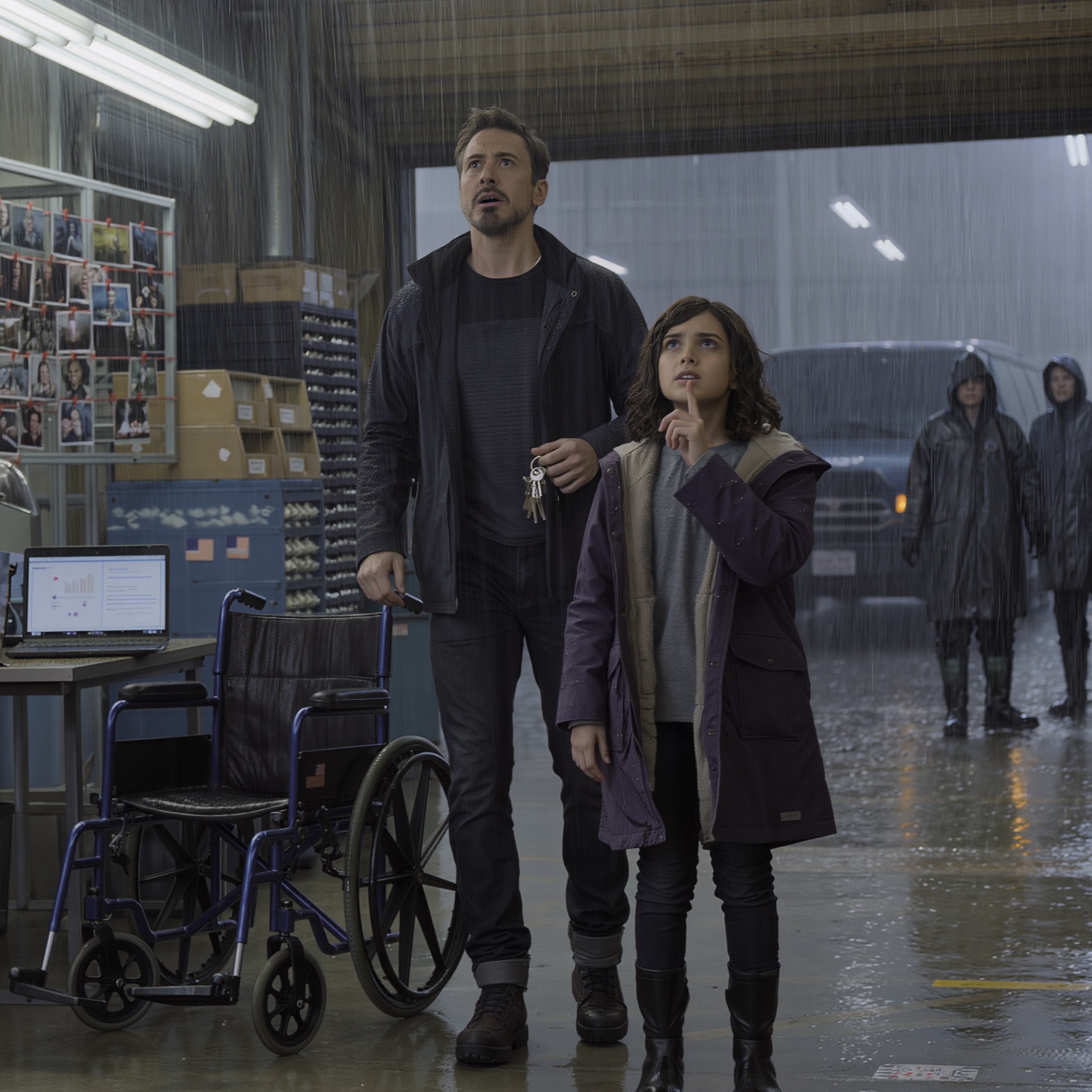
After the meeting, Dean picked Jordan up from therapy. His son climbed into the car quietly and they drove in silence for a while.
“How was it?” Dean finally asked.
“Weird,” Jordan said. “She wants me to talk about my feelings.”
He said it like it was a foreign concept.
“I’m not good at that.”
“None of us are at first,” Dean said. “But it helps. Trust me.”
They stopped for burgers—real food, not the nutrition-controlled meals Kirsten had insisted on. Jordan ate like a normal kid for the first time Dean could remember. He actually tasted his food. He smiled at the cheese pull on his burger.
Small victories.
Back at the apartment, Jordan set up his laptop. He wasn’t hacking anymore—Osborne had made him promise to use his skills legally from now on—but he was learning programming properly, taking online courses, channeling his abilities into something constructive.
Dean watched him work, marveling at the resilience. Jordan had been broken down and rebuilt himself, had survived what should have destroyed him, and he was still fighting, still moving forward.
“Dad,” Jordan said without looking up from his screen.
“Yeah?”
“Thank you. For believing me. For getting the evidence from the house. For everything.”
Dean cruzó la habitación y abrazó a su hijo. Lo abrazó de verdad.
—Nos salvaste, Jordan —dijo Dean—. Todo esto, lo lograste. Eres la persona más valiente que he conocido.
Jordan le devolvió el abrazo, y Dean sintió que la tensión en los hombros de su hijo finalmente comenzaba a aliviarse. Solo un poco. Lo suficiente.